

What is the embedded browser
Enghouse Smart Browser is an embedded HTML5 and HTML Living Standard browser engine designed for devices where control, predictability, and long-term stability are critical. Formerly known as the Espial Browser, it has been deployed for more than twenty years across consumer electronics, industrial systems, medical equipment, automotive platforms, and Internet of Things devices.
Smart Browser is not a consumer browser adapted for embedded use. It is purpose-built for manufacturers, operators, and platform providers that need a standards-based user interface layer without losing control over performance, branding, or product lifecycle.
It currently runs on tens of millions of devices worldwide, including Smart Televisions, Internet Protocol Television set-top boxes, cable and satellite receivers, Blu-ray players, and a broad range of regulated and industrial systems.
Key Benefits

Take Your UX to New Frontiers with our Embedded Browser
The Enghouse Smart Browser (previously Espial Browser) is a feature rich HTML5/HTML Living Standard rendering engine for embedded devices ideal for enabling rich, interactive user experiences in the TV, Industrial, IoT, Medical or Automotive vertical markets.
- Deployed on tens of millions of Smart TV’s, Set-top boxes (IPTV, Cable and Satellite) and Blu-ray Players & Recorders.
- Support for all major global video streaming standards i.e. 4K/8k Satellite broadcasting, Hybridcast, Broadcast Markup Language (BML), HbbTV and ATSC 3.0
- Support for operators’, device manufacturers’ and middleware vendors’ interactive UXs and streaming video OTT applications.




Capabilities / Key Features





Why the Enghouse Embedded Browser
Smart Browser exists to solve a specific problem. Embedded device teams want the flexibility of web technologies without the operational risk, forced updates, or branding constraints of consumer browser platforms.
With Smart Browser, you gain a stable, standards-based browser that fits into your platform rather than dictating it. You control when features are introduced, how updates are managed, and how the user experience evolves over time.
This approach reduces integration risk, protects your commercial model, and ensures a consistent experience across device generations and markets.
Featured Whitepaper
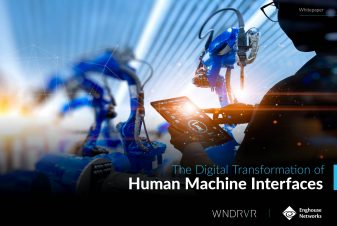
The Digital Transformation of Human Machine Interfaces
Discover how modern HTML5-based HMI solutions are driving digital transformation in industrial environments. This whitepaper explains how embedded browsers, real-time operating systems (RTOS), and scalable software architectures enable rich, secure, and high-performance human machine interfaces (HMI) on resource-constrained devices. Learn how Enghouse Smart Browser and Wind River technologies support advanced, AI-ready industrial applications across Linux and RTOS platforms.
Enghouse works with device manufacturers, operators, service providers, and platform vendors across consumer, industrial, and regulated markets.
We help teams evaluate and integrate Smart Browser with their hardware, operating system, and middleware. We support deployments across Smart TVs, set-top boxes, broadcast platforms, industrial systems, medical devices, automotive interfaces, and Internet of Things products.
Whether you are launching a new device, modernizing an existing user interface, or consolidating multiple platforms under a single white-label browser, we provide support from initial evaluation through deployment and ongoing operation.
FAQs
Smart Browser
Enghouse Smart Browser is a white-label embedded browser built on HTML5 and HTML Living Standards. It is designed for Smart TVs, set-top boxes, industrial systems, medical devices, automotive platforms, and Internet of Things products where performance, control, and long-term stability are required.
Smart Browser is designed for embedded and regulated environments. It prioritizes predictable behavior, controlled updates, memory efficiency, and long lifecycle support instead of frequent feature changes driven by consumer markets.
Yes. Smart Browser is fully white label. There is no Enghouse branding visible to end users unless explicitly requested. Manufacturers and operators retain full control over branding, user experience design, and customer ownership.
Smart Browser is used in smart TVs, set-top boxes, industrial HMIs, automotive displays, and IoT devices.
Smart Browser supports Hybrid Broadcast Broadband TV (HbbTV), Hybridcast, Broadcast Markup Language, and Advanced Television Systems Committee 3.0 (ATSC 3.0) and adaptive streaming technologies. It also supports Media Source Extensions and Encrypted Media Extensions for secure over-the-top video streaming, including 4K and 8K adaptive bitrate delivery.
Yes. Smart Browser is designed to support over-the-top video applications and interactive streaming services. It includes support for encrypted playback, adaptive bitrate streaming, and YouTube TV through the Cobalt application framework.
Yes. Smart Browser is widely used for human-machine interfaces in industrial, medical, automotive, and Internet of Things systems. It supports deterministic behavior, hardware integration, and long-term platform stability.
Yes. It is optimised for low memory and CPU usage while maintaining high rendering performance.
Smart Browser supports a wide range of operating systems and chipsets through a flexible porting architecture. Currently supported OSs include: Wind River VxWorks, Wind River Linux, and embedded Linux distributions.
Smart Browser is ported and optimized for ARM, Intel, and MIPS architectures. It supports silicon platforms from vendors such as NXP, Texas Instruments, Broadcom, MediaTek, Sigma Designs, and others.
Smart Browser can integrate with touch screens, sensors, controllers, media pipelines, and Internet Protocol cameras. This allows web-based interfaces to interact directly with device-specific components.
Smart Browser has more than twenty years of deployment history and runs on over fifty million devices worldwide across consumer and industrial markets.
Smart Browser is used by device manufacturers, broadcast and pay television operators, service providers, and platform vendors building Smart TVs, set-top boxes, industrial systems, medical devices, automotive platforms, and connected equipment.
Standard APIs, broad platform support, and proven deployments reduce integration complexity and development time.