
Preparing for the Future of 5G Rail Connectivity
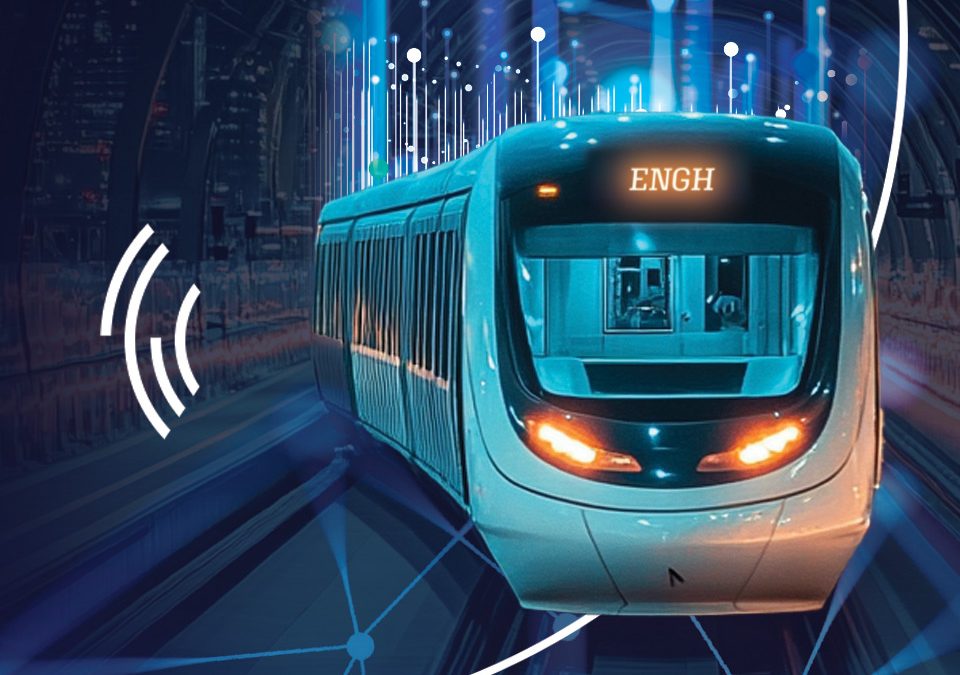
Rail operators and telecom providers are increasingly focusing on network modernization to prepare for the Future Railway Mobile Communication System (FRMCS). Although GSM-R will remain in operation for some time, industry momentum is shifting toward 5G-enabled rail infrastructure to support the next generation of railway communications.
According to the International Union of Railways (UIC), FRMCS is designed to be future-proof, scalable, and interoperable with evolving 5G applications.[1]
Rail operators are already gearing up for 5G-enhanced rail networks, driven by successful trials and pan-European initiatives like the TEN-T network and enhanced rail corridors. While mass rollouts won’t happen overnight, procurement processes are evolving, and RFxs increasingly include FRMCS-ready requirements.

The Business Potential of an FRMCS-Ready Network
Beyond modernizing rail communication, an FRMCS-ready network delivers significant commercial benefits. This infrastructure is designed to support new B2B services, network expansion, and wholesale opportunities.
Key benefits include:
- Scalability & Future-Proofing: FRMCS networks are designed for long-term evolution, allowing seamless integration of new 5G-based applications without major infrastructure overhauls.
- Monetization Opportunities: Expanding fibre connectivity to base stations enables wholesale agreements with third-party telecom providers, opening new revenue streams.
- Improved Network Efficiency: The integration of IoT, ultra-low latency, and private networks enhances real-time monitoring, autonomous train operations, and security applications.
How FRMCS Infrastructure Enhances Telecom Services
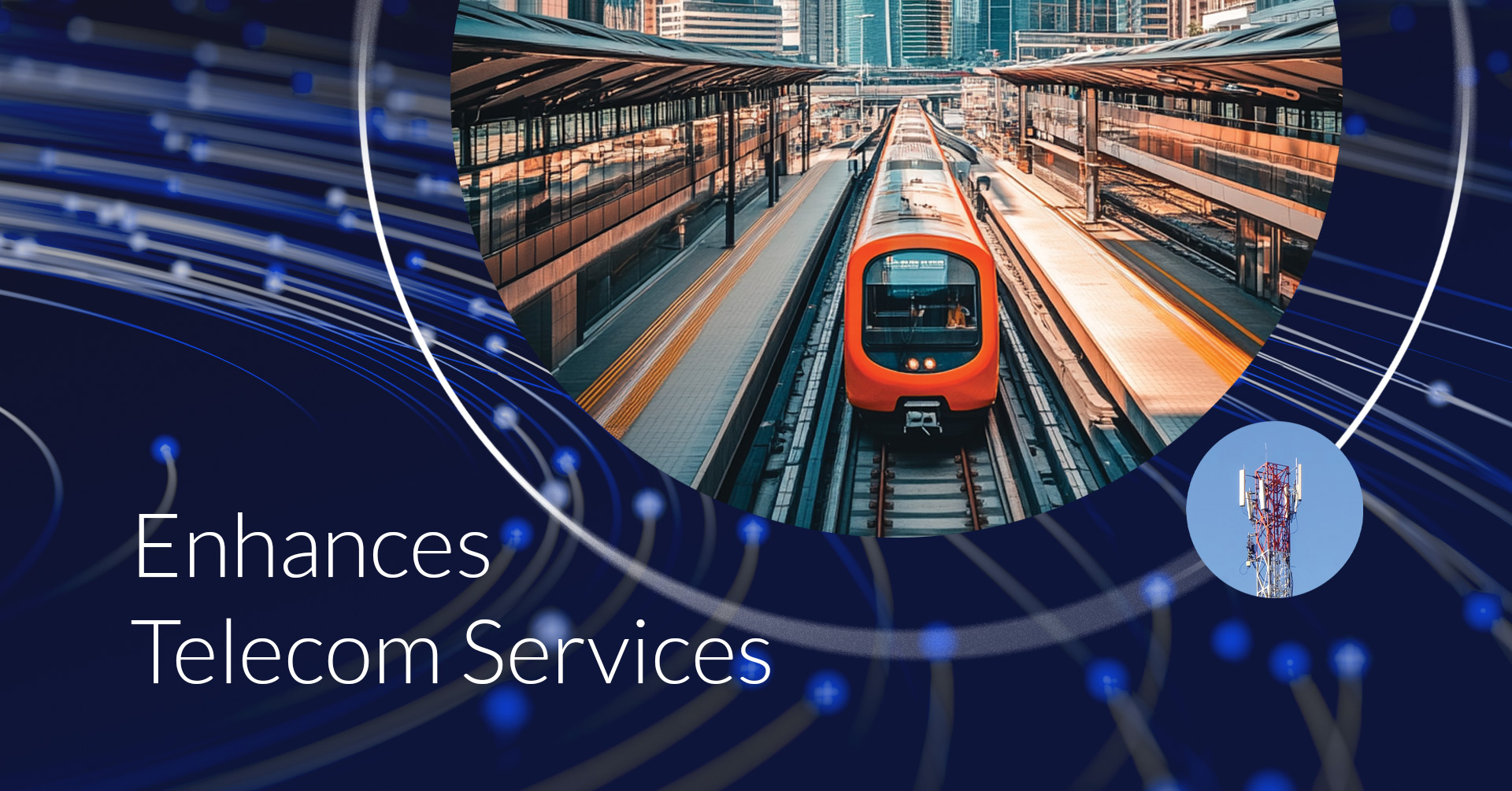
The transition to 5G-based rail connectivity gives rail operators significant network capacity, allowing them to repurpose excess bandwidth for various applications:
- Wholesale Connectivity: Rail networks can support offloading, direct routing, and overflow traffic management for telecom service providers.
- New Transport Routes for Telecom Providers: Fibre infrastructure along railway corridors can serve as backhaul for broader telecom operations, improving service reach.
- Private 5G Networks: Railways can enable dedicated private network solutions for B2B applications, such as smart logistics, station automation, and real-time monitoring.
A hybrid network approach—integrating existing 2G/4G rail solutions with 5G FRMCS—will be crucial. Operators must ensure interoperability between legacy GSM-R and future 5G infrastructure to avoid service disruptions during the transition.

Real-World Adoption & Industry Insights
Digital Rail Trends: The shift to FRMCS is part of a larger digitalization trend in rail, with autonomous trains, trackside real-time 5G video monitoring, and enhanced railway safety systems already in development.
Industry Perspective: The research division of SNCF[2], France’s national railway company, notes that existing telecom networks can be leveraged to support FRMCS, reducing the need for costly new infrastructure investments.
Building an FRMCS-Ready Network: Strategic Considerations
As FRMCS adoption expands, operators must prioritize infrastructure planning and OSS/BSS solutions to support hybrid networks. Critical areas include:
- Network Planning & Fibre Deployment – Optimizing trackside infrastructure to ensure seamless connectivity.
- Inventory & Resource Management – Keeping accurate records of physical and virtual assets across multiple network generations.
- Performance & Fault Management – Ensuring high service availability and proactive issue resolution.
Learn More: Enghouse Whitepaper on FRMCS Transition
Want to explore more on FRMCS and hybrid network management?
Read our whitepaper On Track or Still in the Sidings? Getting Ready to Plan, Build and Manage an Enhanced FRMCS Network.
[1] UIC FRMCS Overview: https://uic.org/projects/article/future-railway-mobile-communication-system-frmcs
[2] FRMCS or the Future Railway Mobile Communication System | SNCF Réseau https://www.sncf-reseau.com/fr/a/frmcs-or-future-railway-mobile-communication-system