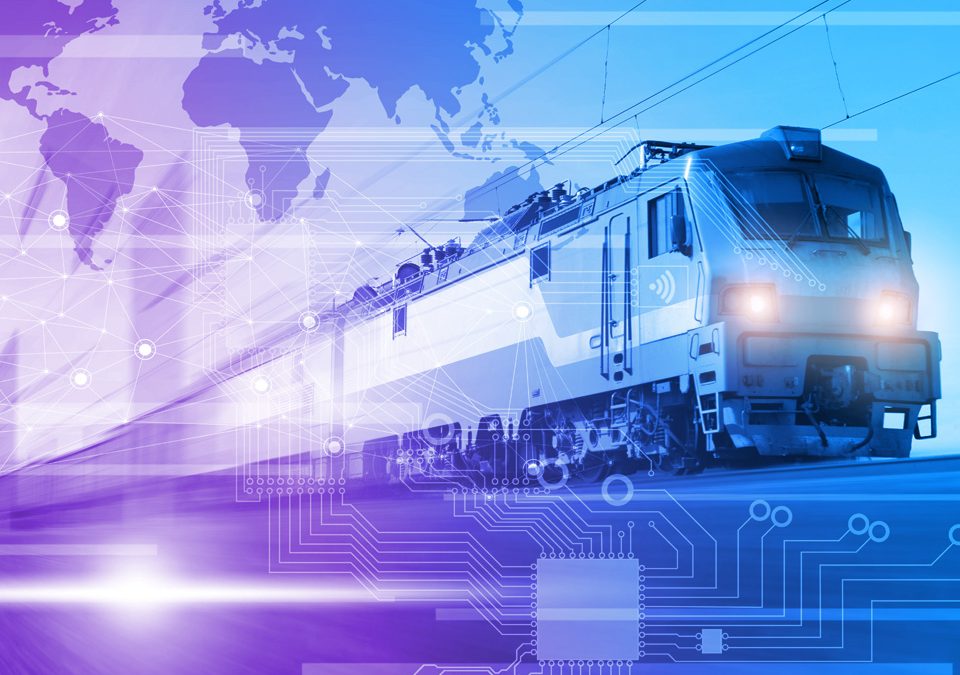
This huge industry’s race to a global 5G upgrade is an opportunity for next-generation network management and a digitally transformed sector. Maintaining manual, legacy operations simply won’t work for much longer.
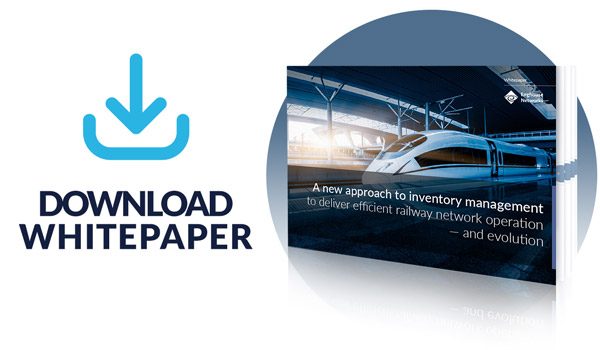
The $300bn global rail sector has always been a major telecom and connectivity market. But as detailed in a new Enghouse guide, A new approach to inventory management to deliver efficient railway network operation and evolution, the accelerating pace of change has opened even more opportunity – so long as you use the right tools.
Bottom line: to digitally transform, railway operators today need not just extensive fibre deployments, but a complete OSS transformation too. And as our new paper describes, Enghouse has the answer to support rail network evolution while continuing to protect and help run all your sunk-cost legacy.

That really matters, as around the world, train operators—the 200-plus global membership roster of the International Union of Railways (UIC) — are looking to rapidly digitally transform to meet the needs of the new broadband-powered global standard for railway communications, the FRMCS (Future Railway Mobile Communication System).
That’s going to be a big task that will need a lot of specialist help, as existing legacy to deliver the current standard, GSM-R includes everything from 1980s style solid state interlocking to niche (and ancient) solutions like plesiochronous digital hierarchy (PDH).
Another driver is rail operators looking to rationalise the overly complex spaghetti mix they’ve ended up with at trackside in terms of the wiring they need to have there to zip vital transport and safety data around. Wireless connectivity will eliminate these problems, reducing maintenance costs dramatically.
Of course, this will result in more complex networks that will need enhanced network management/ Put simply, central to the efficient operations of as critical service as pushing passengers and freight around the world’s 1.3m kilometers of track is the best network you can get—and the tools to run it.
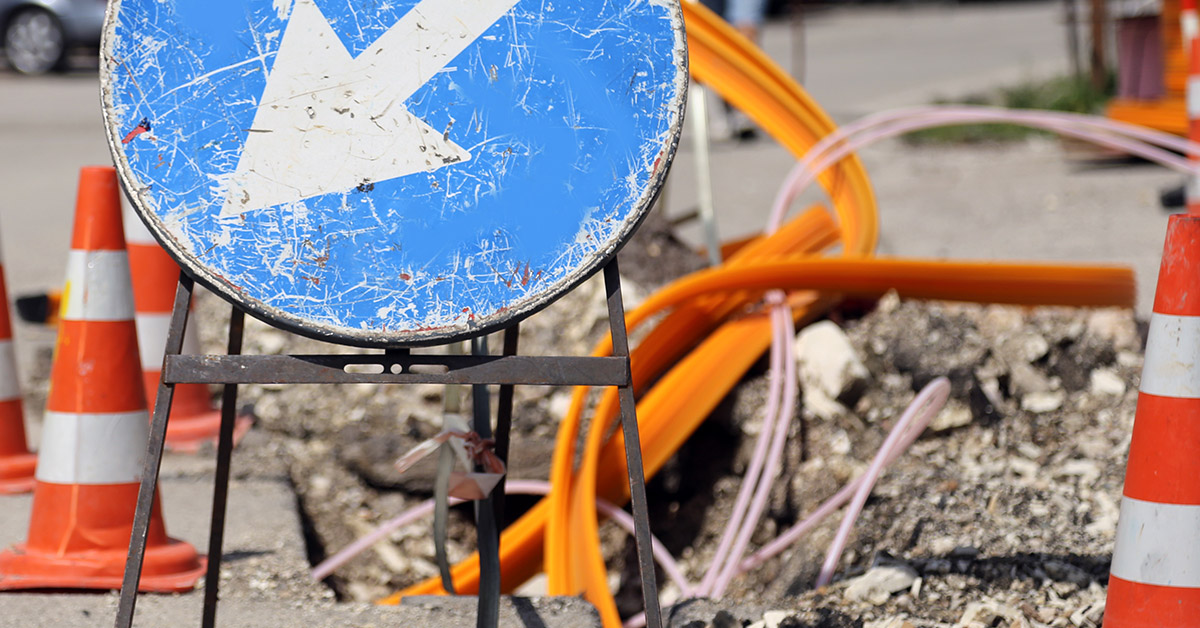
That means huge potential for high-speed fiber in and around vehicles, stations, and track. That’s going to lie in both physical fiber optic, but also a new generation of support platforms around new 5G wireless network design, inventory management, testing and maintenance — all the tools these huge enterprises running ever-more busy transport infrastructure with rising passenger numbers are going to need.
A key challenge though, is that, while the destination of travel is clear – advanced fibre networks, growing integration of IoT solutions, a new generation of railway-optimised mobile – getting there while managing the legacy will be tough. The simple truth is that many railway operators still depend on manual ways of managing their complex networks. The need to transform means this is untenable and will rapidly bring any modernisation efforts up in their tracks.
So, rethinking the OSS is key. Enghouse has a wide range of solutions, optimised for the rail sector and proven in leading networks that form the basis of just such solutions for the next-gen fiber service provider to offer not just network resource management, but also Fibre Network Planning, Network Inventory and Planning and Service Assurance–as well as significant UIC client exposure.
And as these solutions cover everything from rail sector legacy technologies like GSM-R and FRMCS, as well as every kind of transport, such as MPLS, IP, and Metro Ethernet, that means Enghouse is your go-to source for all the functionality rail operators need to drive the digital transformation required for tomorrow’s management and planning systems.
If you check our new guide: A new approach to inventory management to deliver efficient railway network operation and evolution, you’ll see what all this could mean for you.