

FWA is booming[1]. Consumers are quickly swapping out their fixed lines for mobile access to get high speed internet.[2] 4G started the trend, and 5G will accelerate it.
But are consumers really prepared for the unpredictability that can come from mobile networks? How can operators assure consumers that their connectivity can be relied upon, or, at the very least, how can consumers be informed about network disruptions when, or in the case of planned maintenance, even before they happen?

High expectations have been set by fixed line providers.
Fixed line internet as a utility has the benefit of known, traceable, and consistent connectivity. These services are well mapped and understood by OSS and other service assurance tools, and consumers are often alerted to planned or unplanned network disruptions.
While disruptions can and do occur, customers can know in advance, or at the very least, not be surprised, if they lose connectivity. Consumers may not have signed up for this notification service, but the moment they are informed, there is an immediate sense of inclusion; the feeling that someone cares about the service they are getting, and that they, as a customer, matter.
Mobile networks, however, have traditionally been less transparent and somewhat secretive when network service disruptions impact specific locations. In some markets, even showing detailed service coverage maps is frowned upon, with the belief that competitors could use this information against them. Sure, many mobile operators may present a list of “areas affected by disruptions”, or a position on a map where a cell site has problems, but this is vague and imprecise. It leaves far too much guesswork for consumers that want a simple and clear answer to the question, “Will I have problems with my home internet, or not?”
Problems happen in networks all the time. Service disruptions are a known factor of running a highly complex and technologically advanced network. Mobile telecoms service providers are, by nature, more aggressive with change because they can be. Service stability is not as critical as it is for other networks, such as the power grid. That’s not to say Mobile CSPs are complacent. Absolutely not. It’s simply that mobile networks have relied on a handful of technical factors to prevent them from really investing in ‘proactive’ service assurance or service level agreements when it comes to Radio Network Access.
Mobile operators have rested on the notion that service is ‘ubiquitous’ and that overlapping signals from the cellular network will ensure backup service is available in the event of a faulty site. If you can’t get a strong signal in one part of your house, just walk around or go outside and the signal might be better. Customers are also mobile by nature. They take their connection everywhere, so there is no easy way to inform customers about potential issues if you don’t know where they will go next.
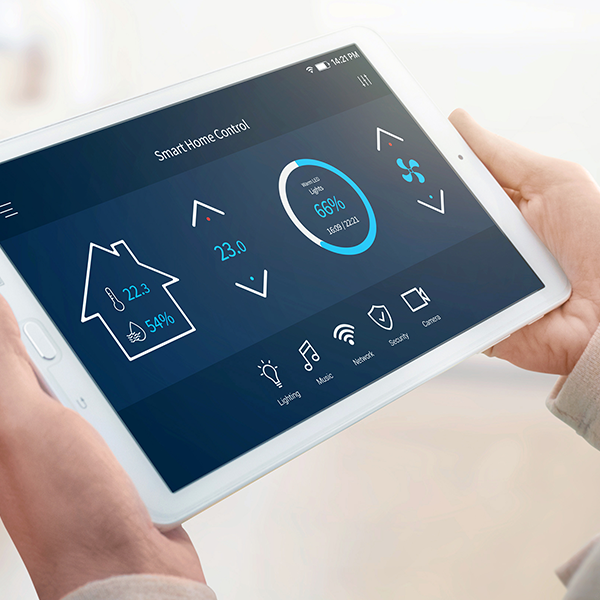
CSPs offering FWA can no longer take a relaxed approach towards service levels or connectivity reliability. Indoor customer premises equipment (CPE) can’t be shifted around so easily, especially if they rely on fixed power sources or are connected to dedicated indoor Wi-Fi networks. The same holds true for FWA external antennas mounted to the wall or roof of a building. (That fixed position does come with benefits though. The location doesn’t move, therefore calculating potential service impact to that customer is far more achievable.)
Consumers could end up paying for a service that they expect will provide equal or better performance than their reliable cord connection, but instead they get something that mostly works, but at any stage could suffer a drop-in service due to a reduced signal, overcrowded cells, or worse – a service that just does not work all. These customers will quickly get frustrated. Call centres will be overloaded with complaints, and customer churn will be the likely result.
Home Internet is the lifeblood of Internet access, providing video streaming, web surfing, gaming and more. Data consumption on home internet connections averages 500GB per month in the USA[3]. By contrast, mobile phone consumption, globally, averages a minuscule 12GB[4]. And the services used over these connections are vastly different. If latency or throughput performance drops, mobile messaging apps are barely affected. Even social media platforms like Snapchat and TikTok will still work with a relatively slow connection and poor latency. But when a family tries watching Netflix on TV while streaming three concurrent Spotify connections, using a PlayStation 5 gaming console, and hosting a video call for work – all on less than 20Mbps – the user experience will suffer.
The Era of Consumer-Focused Mobile Service Level Agreements Has Arrived – And Operators Need to be Prepared.
FWA is touted as being the answer to getting underserved communities connected with high speed internet, and by all accounts that seems to be the case. Customers are cutting the cord in droves. However, they will abandon FWA just as quickly if the service they receive doesn’t match expectations. If FWA is going to really compete with fixed internet, there must be an acceptance by Mobile CSPs that:
- FWA service is not ubiquitous. A network fault that causes service degradation may well render home internet access ‘useless’ for some services.
- Customers expect to be informed about service issues in the same way they would be for traditional fixed utilities like fixed line internet, power, water & gas.

Now is the Time for a FWA Solution That:
- Works with traditional OSS and service assurance platforms to identify impacted customers.
- Does not rely on sensitive GDPR focused customer data, such as CDRs, XDRs, or network probes.
- Scales easily as FWA subscriptions are added.
- Can by used and managed by the customer, through internet based self-service portals.
- Provides automated notifications of unplanned or planned disruptions and restoration of service.
- Integrates tightly with existing customer care and service management solutions.
- Can be used to identify at-risk subscribers, where service outage scenarios can be identified and managed appropriately.
Learn More
Enghouse FWA Proactive Care offers mobile operators the opportunity to differentiate themselves from the competition by empowering their FWA subscribers to be more engaged and alerted to any service issues. The consumer information ‘transparency’ theme that is gaining traction in so many other industries today is still an untapped opportunity in telecommunications.
In addition to more satisfied customers, CSPs using FWA Proactive Care can get insights into how robust their FWA network is for the subscriber base being supported and use this information to direct future network roll outs and network changes.
Visit our web site for more information about FWA Proactive Care and learn what it can do for your Mobile CSP transition towards offering a world-class FWA service.