Ooredoo Kuwait selected Enghouse Networks' VAS-in-One solution to consolidate VAS services, enhancing efficiency and reducing costs while maintaining high-quality mobile telephony offerings.
Enghouse Networks, a leading global telecommunications technology and IPTV SaaS platform solutions provider, and Broadpeak®, a leading provider of video streaming solutions for content providers and pay-TV operators worldwide, announced today they are joining forces to optimize the video streaming service of MCTV, an Ohio-based cable operator.
With the advent of 4G and 5G technologies, wireless networks can now use IP-based protocols for delivery of all services. Some data-driven services (such as SIM-based IoT and 5G messaging), still rely on services and technologies originally developed for earlier network generations.
What’s to stop a mobile virtual network enabler set up in business tomorrow to market a highly specialised, highly-tuned MVNO service for shipping containers?
In this final look at 5G’s impact on MVNOs, we examine regulatory shifts, new 5G use cases, and the transformation steps operators must take to capitalise on emerging opportunities.
Wholesale voice is a crucial part of the telecoms industry, making effective routing of both national and international traffic possible and generating considerable revenue. The industry is changing rapidly bringing with it increased challenges but an expanding range of new opportunities. These changes have the potential to completely reshape the industry and how businesses operate.
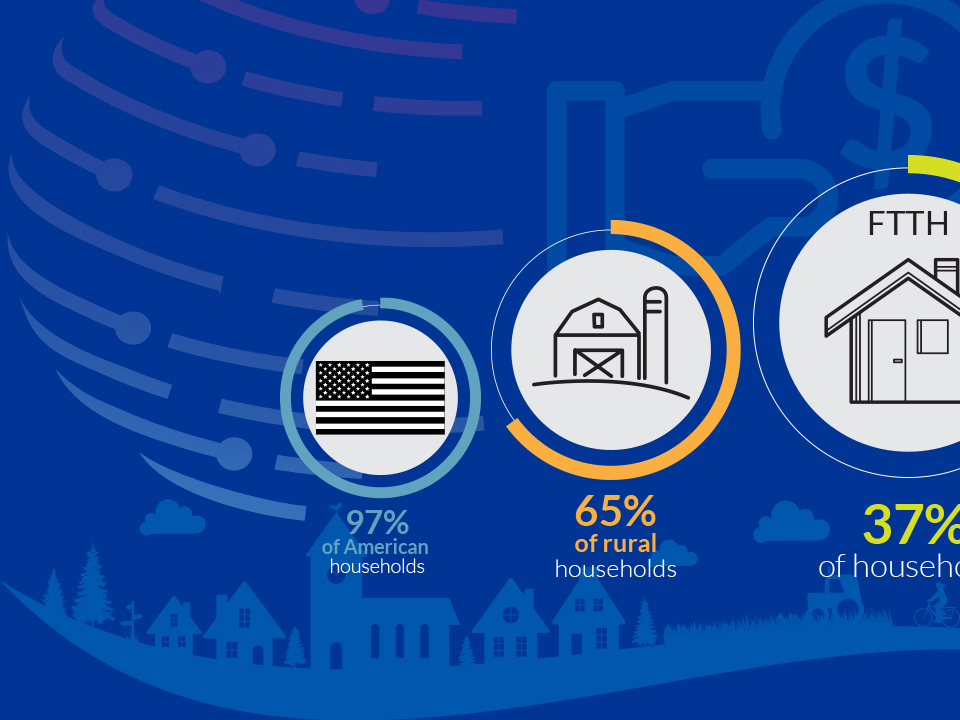
A reliable broadband connection is critical for the success of rural areas, especially during these recent times. Explore the infographic below to learn about the collective effort to close the rural and urban digital divide in North America.
5G is reshaping the MVNO market, creating new opportunities and use cases. In this first part of Enghouse Networks’ series, we explore the tech shifts driving growth for the 5G-enabled MVNO.
The MVNO model has gained many followers, with brands using mobile to reach customers in different ways. The basics have been in place for more than 20 years – but that’s about to change.