A telecom customer consolidated messaging and VAS platforms with Enghouse Networks, achieving streamlined management and virtualisation benefits for improved service efficiency and innovation.
In this final look at 5G’s impact on MVNOs, we examine regulatory shifts, new 5G use cases, and the transformation steps operators must take to capitalise on emerging opportunities.
With the advent of 4G and 5G technologies, wireless networks can now use IP-based protocols for delivery of all services. Some data-driven services (such as SIM-based IoT and 5G messaging), still rely on services and technologies originally developed for earlier network generations.
The public cloud has been providing a range of benefits to enterprises for a considerable time. The so-called hybrid cloud has also seen the ongoing migration of infrastructure from carriers. A hybrid of private and public clouds, it offers carriers greater resilience and geo-redundancy, helping them to better manage unexpected traffic spikes.
Beginning as a developer-first and API centric way to resell carrier services, the Communications Platform as a Service (CPaaS) is a relatively recent development. Within the CPaaS, unified communications and cloud communications industry itself, Bring Your Own Carrier (BYOC) is a new and hugely disruptive trend that is rapidly challenging the old ways of doing things.
The BorderNet™️ SBC is a single software elastic SBC with high availability (HA) deployments in Amazon Web Services (AWS) and Microsoft Azure clouds, as well as on leading hypervisors and bare metal commercial off-the-shelf (COTS) platforms.
Bringing your own carrier (BYOC) is gaining momentum due to the increased adoption of cloud computing and related technologies. More and more companies are moving into the cloud and off-the-shelf solutions do not provide flexible connectivity.
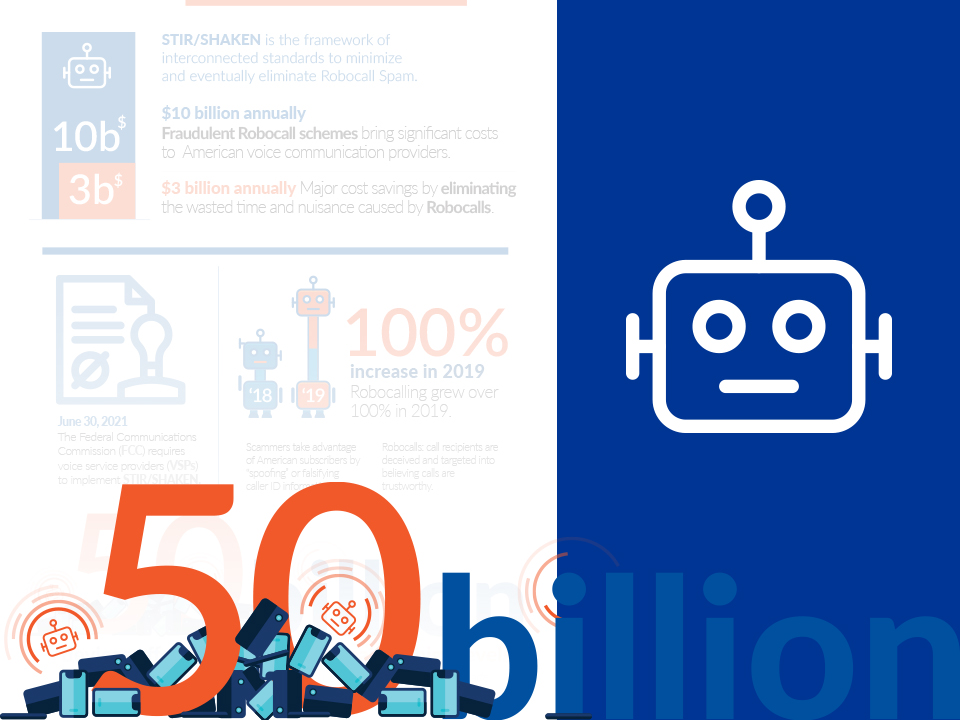
Restore trust in Caller ID info with STIR/SHAKEN. Each month up to 5 billion robocalls are made, leading to $10 billion in annual costs for American voice communication providers.
Just over a year ago few people could predict that web video communications would come to play such a key role in work, education and socialising across so much of the planet. During this rapid and essential shift, WebRTC has been a key enabler.