March 24, 2022

Communication and Technology Transformation for Electric Utility Evolution

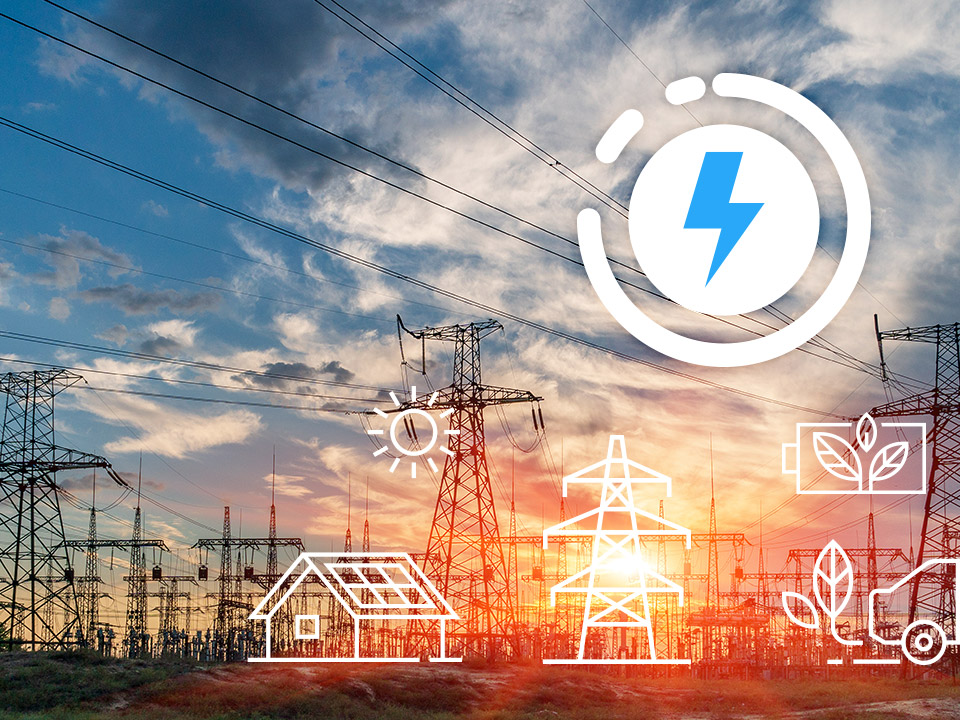
The timing could not be better for electric utilities to redefine their role in driving the modern digital economy. In the electric utilities’ evolution model, you can realize the contextual elements and driving factors calling for fundamental changes in the infrastructure, assets, and approaches of electric utilities in the upcoming years.
March 3, 2022

Private 5G Networks Will Soar in 2022, Is Your Fiber Plan Ready to Meet Demand?

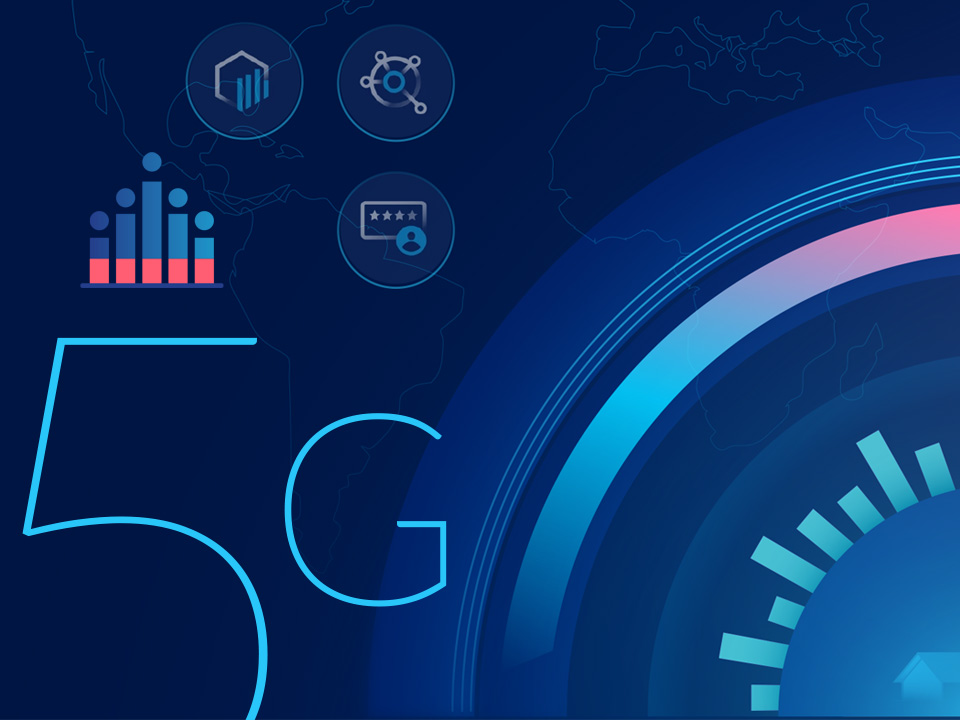
According to a recent report by RAN Research, a division of Rethink Technology Research, private 5G network deployments will surge over the next few years, accelerating ahead of public 5G rollouts. With growth expected to be its fastest between 2022-2025, and peaking in 2027, the golden era of private 5G networks is on our doorstep. So, what does this mean for broadband and fiber?
February 17, 2022

MVNO Innovations

In this short Enghouse Networks insight paper we want to remind you (or potentially alert you) to some of the most promising 5G-based consumer opportunities, so you can prepare your MVNO business to launch compelling new 5G services.
January 28, 2022

Master Electrical Utility Networks and Infrastructure Transformation

The new decade has begun on an unsettling note. It’s not only the impact of the pandemic which has overturned expectations. Disruptive technological innovation has presented a set of profound challenges to the way we live, work and play. This has unsettled communities as well as industries, ushering in the beginnings of a new economy.
November 1, 2021

Webinar: Fiber Planning and Design has Gone Mobile

With the advent of 4G and 5G technologies, wireless networks can now use IP-based protocols for delivery of all services. Some data-driven services (such as SIM-based IoT and 5G messaging), still rely on services and technologies originally developed for earlier network generations.
July 22, 2021

Delivering More Than Broadband

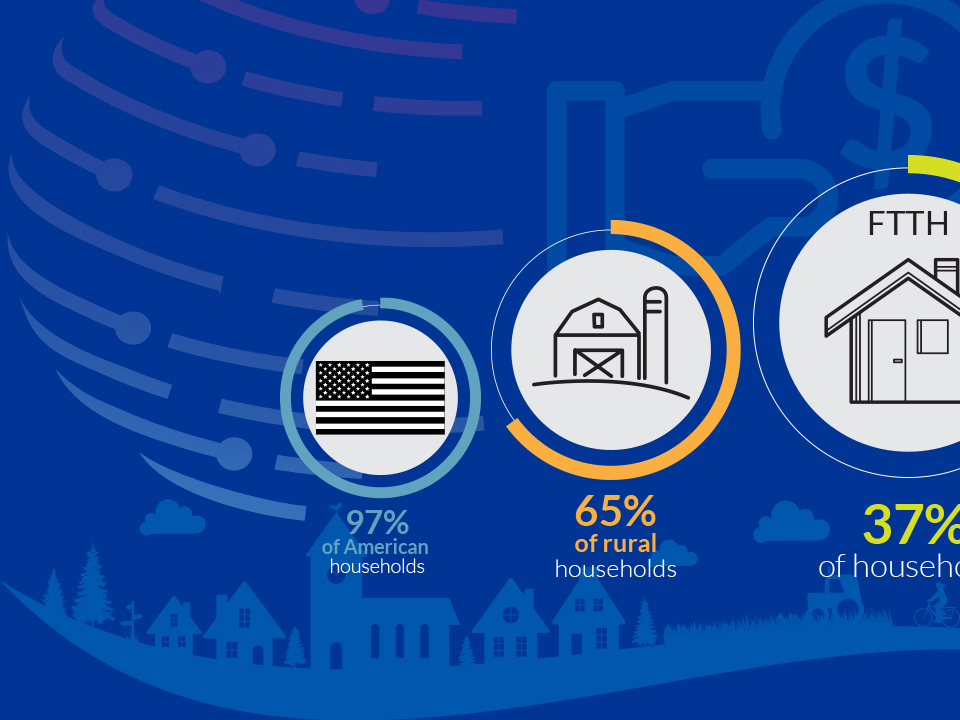
In rural U.S. and Canada, fixed broadband Internet connectivity – particularly fiber – is uncommon. This is for two main reasons: networks are expensive to build, and rural areas are typically more geographically distant and less populous than urban areas.